Method
The method is written before we start: eight steps, each with what we do, what you receive and when we need your input.
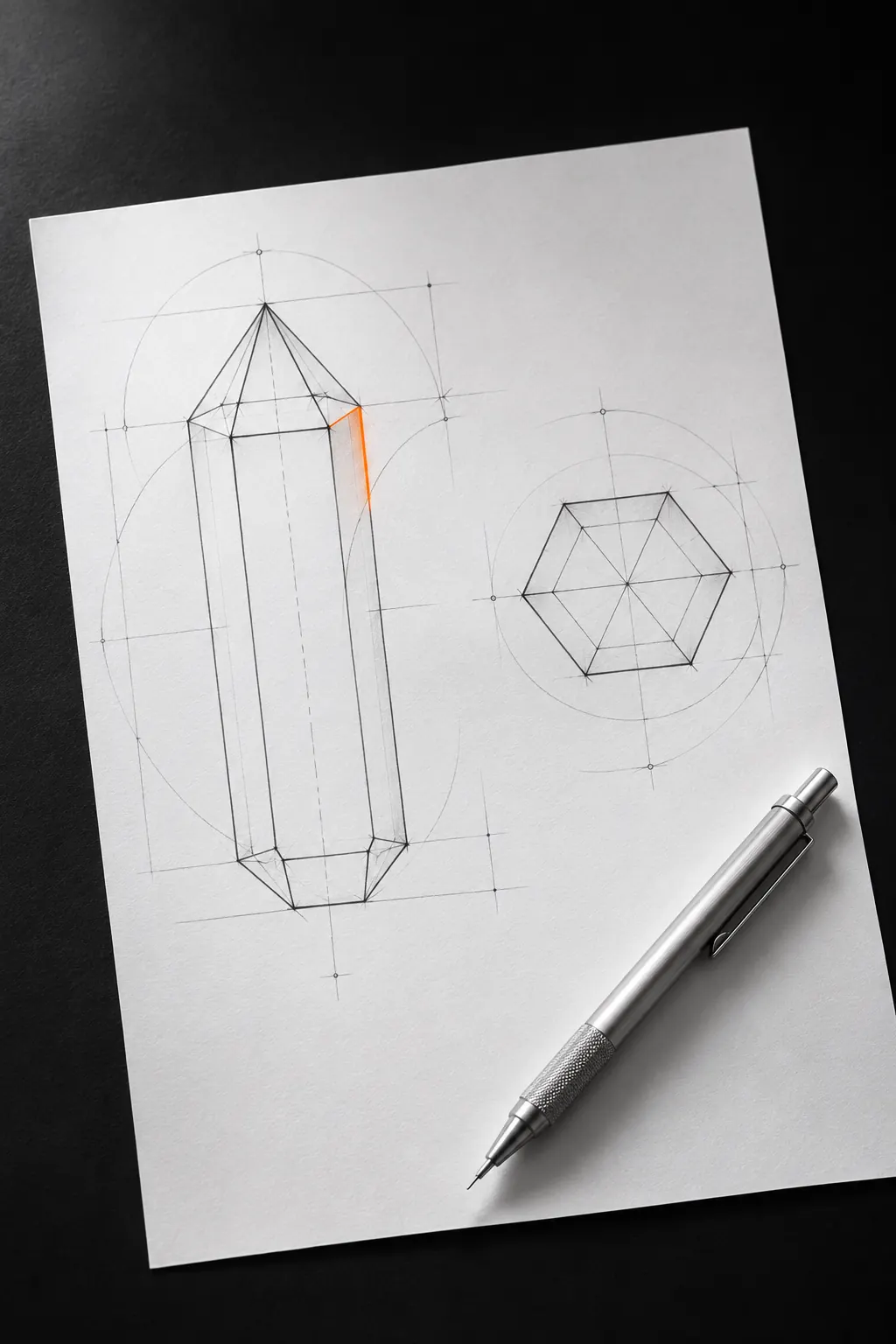
DirectionBrief, architecture, identity and test criteria: everything is written before producing. 
BuildingWe develop code, copy, translations and images following the written direction, one page at a time. 
CheckingEvery page is tested, corrected and tested again. What has not been tested stays written as such.
Eight steps, from brief to delivery
For each step: what we do, what you receive and when it is your turn. Your input is highlighted.
- 01
Listening and goals
UsWe listen, read what already exists — site, profiles, materials — and define the goal and the visitor's main action.You receiveA written brief with confirmed facts, proposed scope and missing data.Your inputYou tell us about the business, answer questions, confirm the brief. - 02
Analysis and architecture
UsWe study audience and competitors and design pages, sections and contact paths. Every section must answer a visitor's question.You receiveThe page map, with the purpose of every section.Your inputYou approve the map or ask for changes. - 03
Identity and content
UsWe define the visual direction — typefaces, colours, grid, tone — and write the copy in every agreed language.You receiveVisual direction and copy to review.Your inputYou check the facts and give us the materials: logo, real photos, documents. - 04
Images and prototype
UsWe plan every image and its phone crop, prepare or retouch it where needed and build a representative preview.You receiveA navigable preview, on desktop and phone.Your inputYou tell us what you think before full development. - 05
Development
UsWe write the page code, the variants and the translations; we integrate, review and fix.You receiveAll pages, in every agreed language.Your inputNo action needed: you can follow the progress. - 06
Checks and finishing
UsWe test every page and language at reference widths, by keyboard and with reduced motion; we fix and test again.You receiveThe test report: what was tested and what remains to be tested.Your inputYou review the complete preview and flag corrections. - 07
Agreed publication
UsWe configure domain, hosting and services as agreed, publish and check the live site again.You receiveThe live site, the access details and the manual.Your inputYou authorise publication and give us the necessary access. - 08
Ongoing care
UsIf you choose ongoing care: maintenance, checks, support and changes within the plan.You receiveA clear monthly report.Your inputYou send us update requests.
What we check before delivery
- Every page in every language at 360, 768, 1280 and 1920 pixels, plus 320 pixels and zoom for text reflow
- Keyboard navigation, visible focus, contrast, field labels
- Reduced motion, and working even when an animation does not start
- Links, menus, buttons and language switching to the equivalent page
- Forms: empty fields, wrong data, successful sending and service unavailable
- Images: formats, sizes, phone crops and alternative text
- Titles, descriptions and structure for search engines
- Console errors and unexpected network requests
- Page weight and loading times, measured
- Copy: no placeholders, no invented data, no needless repetition
How we work, stated plainly
Do you use ready-made themes or templates?
No. Structure, identity and code are created for your project: no bought-in themes, no page builders. That is why every site is different, light and easy to maintain.
Why so much testing?
Because a site that looks finished is not necessarily correct. That is what the brief, the direction, the reviews and the test report are for: you know what has been tested and what has not.
Which technologies do you use?
Whatever suits each project: usually light pages without unnecessary libraries, quick to load and with few exposed surfaces. What you receive is not a technology: it is a tested result.
Are the illustrative images real photographs?
No, and we never present them as such. They illustrate settings and ideas and never pretend to be your premises, your team or your work. When real evidence is needed, we use your photos.
Got a project? Let's talk.
We reply with precise questions and, once the scope is clear, with a written proposal. Costs are agreed privately: no price list that fits everyone.